
Intel’s Ohio One Construction Milestone Signals Progress for Ohio’s Manufacturing Future
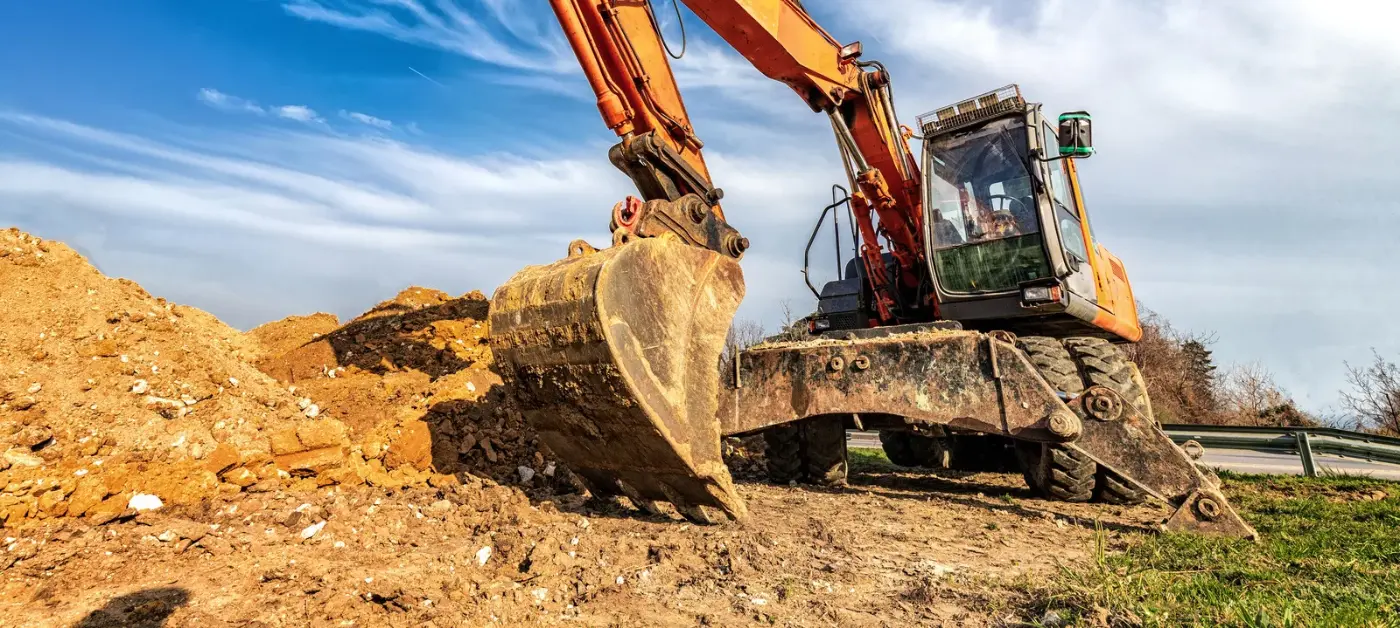
Ohio's manufacturing future has been the subject of considerable optimism in recent years. Billions of dollars in proposed investments, a growing semiconductor industry, and renewed interest in domestic production have positioned the state as an increasingly important player in America's industrial economy.
But large-scale industrial development rarely follows a straight line.
When Intel announced plans in 2022 to invest more than $28 billion in two advanced semiconductor fabrication plants in New Albany, Ohio, the project represented a significant opportunity for the state. Since then, construction delays, financial challenges, and shifting market conditions have raised questions about when that vision would become reality.
Now, a new construction milestone offers tangible evidence of progress.
In October 2026, Intel announced that crews had installed the first major structural truss at its Ohio One semiconductor manufacturing campus. While the project's timeline remains years behind its original schedule, the development represents another step toward establishing advanced chip manufacturing capacity in Central Ohio.
For Ohio, the significance extends beyond a single construction milestone. The project remains an important test of the state's ability to support advanced manufacturing, attract specialized talent, and build the infrastructure necessary for long-term industrial growth.
Intel’s Ohio One Project Reaches a Major Construction Milestone
On Oct. 21, 2026, Intel Foundry shared an update on its U.S. manufacturing expansion, including progress at its Ohio One campus in New Albany.
Construction crews successfully installed the first major structural truss for the site's initial semiconductor fabrication plant, commonly referred to as a fab. The installation marks a visible advancement in the construction of a facility designed to manufacture leading-edge semiconductor chips.
The milestone follows several years of site preparation, infrastructure development, and foundational construction.
Intel's original plans called for more than $28 billion in investment across two advanced manufacturing facilities. The project was initially expected to begin production in 2025, but financial pressures and changes in the company's manufacturing strategy have significantly extended that timeline.
According to Intel's February 2025 construction update, the company now expects:
- First fabrication plant: Construction completion in 2030, with operations beginning between 2030 and 2031.
- Second fabrication plant: Construction completion in 2031, with operations beginning in 2032.
These dates remain subject to business conditions and customer demand.
The latest milestone does not eliminate uncertainty surrounding the project, but it demonstrates continued investment in the physical infrastructure required to bring semiconductor manufacturing to the region.
Why Intel’s Ohio Investment Matters for American Manufacturing
Semiconductors are foundational to the modern economy. They power everything from smartphones and automobiles to medical devices, industrial automation systems, artificial intelligence, and advanced computing infrastructure.
As demand for these technologies grows, so does the importance of maintaining reliable semiconductor supply chains.
For decades, much of the world's leading-edge semiconductor manufacturing capacity has been concentrated in Asia. That geographic concentration has created supply chain vulnerabilities, particularly as geopolitical tensions, manufacturing disruptions, and increasing demand place pressure on global production networks.
Expanding domestic semiconductor manufacturing is one way the United States is working to reduce those vulnerabilities.
Intel's Ohio One development is part of that broader effort.
The project also reflects a larger shift in how companies evaluate manufacturing locations. Access to skilled workers, reliable infrastructure, available land, transportation networks, and supportive regional partnerships increasingly influence where businesses choose to make long-term investments.
Ohio offers several of these advantages.
Its established industrial base, central location, logistics infrastructure, and network of universities and technical institutions provide a foundation for advanced manufacturing development.
The opportunity is to build on those existing strengths while developing the specialized capabilities required for semiconductor production.
The Economic Impact Could Extend Across Central Ohio
Although semiconductor fabrication facilities receive much of the attention, their economic impact can extend well beyond the factory itself.
Projects of this scale require extensive construction activity, specialized equipment, engineering expertise, transportation services, utilities, and ongoing facility support.
Over time, an operational semiconductor campus can also create opportunities for suppliers, contractors, technology providers, and other businesses serving the advanced manufacturing sector.
For Central Ohio, this creates the potential for several interconnected areas of economic development.
Building a More Specialized Workforce
Advanced semiconductor manufacturing requires employees with expertise in engineering, equipment maintenance, manufacturing operations, automation, and technical support.
Developing that workforce takes coordination between employers, educational institutions, and workforce development organizations.
Intel has already begun training some Ohio employees at its existing manufacturing facilities in other states, providing an early foundation for future operations.
As the project advances, Ohio's universities, community colleges, and technical training programs could play an increasingly important role in preparing workers for semiconductor-related careers.
Creating Opportunities Across the Supply Chain
Semiconductor facilities depend on complex supplier networks.
From construction materials and precision manufacturing to facility maintenance and logistics, the broader ecosystem creates opportunities for businesses with specialized capabilities.
Ohio's existing manufacturing sector could provide a competitive advantage as companies look to establish operations near major semiconductor investments.
However, the timing of those opportunities will depend on how quickly Intel's project advances and when production begins.
Supporting Infrastructure and Regional Development
Major industrial investments also influence the communities surrounding them.
Transportation improvements, utility capacity, housing availability, and commercial development all become important considerations as regions prepare for potential employment and population growth.
For New Albany and the greater Columbus region, the challenge is balancing long-term economic opportunity with responsible infrastructure planning.
The extended construction timeline has given local leaders additional time to prepare, even as it has delayed some of the economic activity originally anticipated.
What Intel’s Delays Reveal About the Reality of Industrial Investment
Intel's Ohio One project also offers an important lesson about the complexity of modern manufacturing investment.
Large-scale industrial projects require substantial capital, long planning horizons, specialized labor, and confidence in future customer demand.
Semiconductor fabrication is particularly capital-intensive. Facilities must accommodate highly sophisticated manufacturing equipment, stringent environmental controls, and evolving production technologies.
As a result, construction schedules are influenced by far more than the availability of labor and materials.
Intel has acknowledged that its revised Ohio timeline reflects a more financially disciplined approach to manufacturing expansion, with investments aligned more closely to anticipated business needs and customer demand.
This approach highlights an important distinction between announcing industrial capacity and successfully bringing that capacity into operation.
A completed building is one milestone. Installing equipment, qualifying manufacturing processes, securing customers, and achieving sustainable production are additional steps.
For investors, business leaders, and economic development organizations, the distinction matters.
Evaluating the long-term potential of a manufacturing project requires an understanding of its financial viability, operational readiness, and position within the broader market.
The progress at Ohio One is encouraging, but its ultimate economic impact will depend on execution over the coming years.
Ohio’s Manufacturing Momentum Extends Beyond Intel
While Intel's New Albany campus is among Ohio's most visible industrial investments, it represents one part of a broader transformation taking place across the state.
Ohio has attracted significant attention from companies investing in advanced manufacturing, automotive technology, battery production, data infrastructure, and other capital-intensive industries.
These investments reflect the growing importance of the Midwest in America's industrial strategy.
Historically recognized for its automotive, steel, and traditional manufacturing industries, Ohio is increasingly competing for projects that combine established industrial capabilities with emerging technologies.
That transition creates opportunities for economic diversification, workforce development, and innovation.
It also introduces new challenges.
Energy demand, infrastructure costs, competition for skilled labor, and the financial sustainability of large projects will continue to shape the state's industrial development.
For Ohio to maintain its momentum, attracting investment announcements will be only one measure of success.
The more meaningful measure will be how effectively the state converts those investments into operational businesses, durable employment opportunities, and sustainable economic growth.
The Bigger Picture for Ohio’s Industrial Future
The installation of a structural truss may appear to be a relatively small development within a multibillion-dollar manufacturing project.
But for Intel's Ohio One campus, it represents visible progress after years of uncertainty.
The project still faces significant work before semiconductor production begins, and its long-term success will depend on market demand, operational execution, and continued investment.
Nevertheless, the latest construction milestone reinforces the potential for Ohio to play a larger role in America's advanced manufacturing economy.
The state's future competitiveness will depend on its ability to connect major industrial investments with the infrastructure, workforce, partnerships, and operational capabilities necessary to support them.
Intel's progress in New Albany is one piece of that larger story.
And while the timeline has changed, the opportunity to strengthen Ohio's position in domestic semiconductor manufacturing remains significant.
Sources
- Intel, Oct. 21, 2026: Building America's Capacity to Innovate. Primary source confirming the structural truss installation and U.S. manufacturing expansion.
- Intel, Feb. 28, 2025: Ohio One Construction Timeline Update. Official construction and operational targets for both facilities.
- WOSU Public Media, Aug. 26, 2026: Slow Progress Continues at Intel's New Albany Semiconductor Fab. Local reporting on delays, workforce considerations, and economic development.
- JobsOhio, Oct. 21, 2026: Intel Foundry Provides U.S. Manufacturing Capacity Update. Ohio economic development perspective on the milestone.
- Intel: Innovating and Investing in Ohio. Planned investment, employment projections, and educational partnerships.
Author

Bhavin Patel has over fifteen years of comprehensive business management experience and an exceptional record of accomplishments in operations, with expertise in real estate M&A. He has a proven ability to implement corporate goals and business objectives.


Invest with GHC for a better future.
At GHC, our investment strategy focuses on achieving the full potential of promising assets. We offer robust opportunities for our investors by nurturing businesses to reach their peak performance, emphasizing long-term growth over short-term gains. This approach secures stable growth and strong returns, creating lasting value for our investors and the communities we serve.
