
Why Cybersecurity Is the Missing Layer in Healthcare IT Investment Strategy


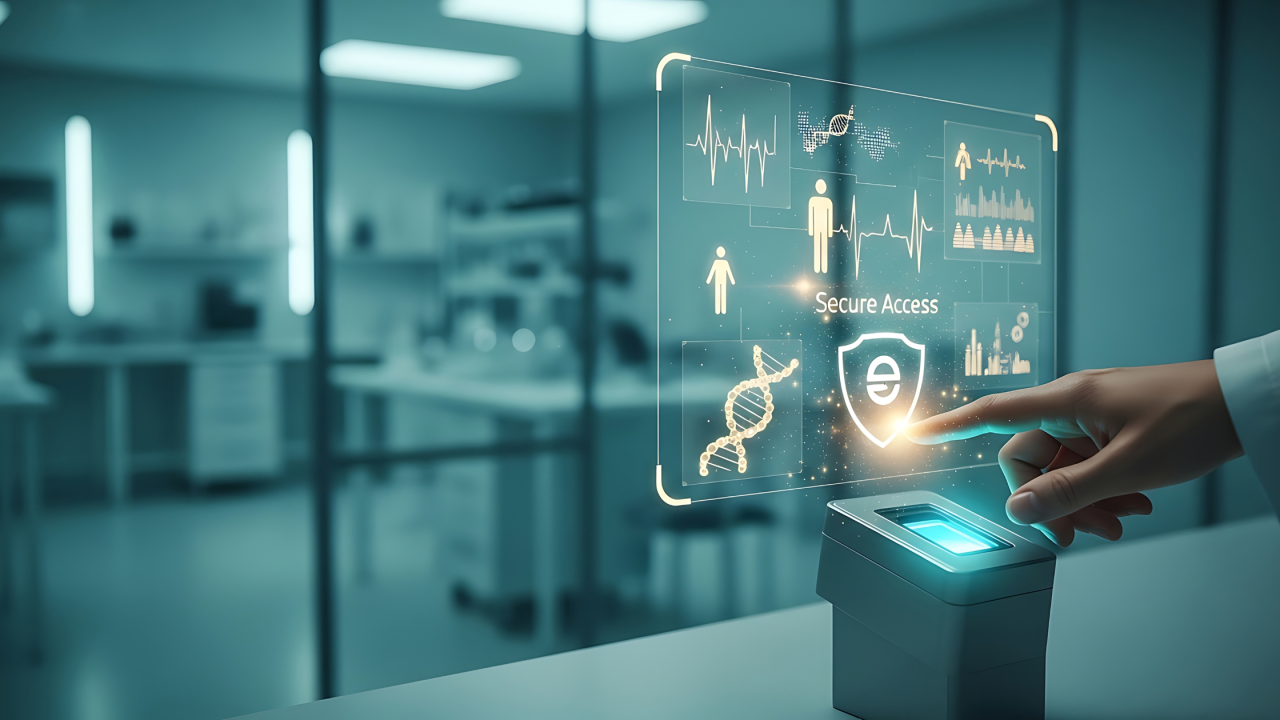
Healthcare organizations are moving quickly to adopt new technologies. Virtual care platforms, connected devices, and data-driven tools are becoming standard across hospitals and health systems. These investments promise better outcomes, improved efficiency, and more connected care.
But there is a growing problem beneath the surface.
As more systems come online, the risk exposure expands just as quickly. Many organizations are layering in new technology without fully addressing how it will be protected. Cyber threats are increasing in frequency and sophistication, and healthcare remains one of the most targeted industries. The American Hospital Association has warned that cyber incidents can disrupt care delivery, delay procedures, and compromise patient safety.
This creates a difficult reality. Health systems are being asked to innovate and modernize while also protecting sensitive data, maintaining uptime, and ensuring clinical continuity.
The organizations that succeed are the ones that treat cybersecurity as part of the investment itself. When security is built into the foundation of healthcare IT decisions, it strengthens everything that sits on top of it. It supports safer care, more reliable operations, and more sustainable long-term performance.
The Growing Risk Landscape in Healthcare
Healthcare has become one of the most targeted industries for cyberattacks. The combination of sensitive patient data, legacy infrastructure, and increasingly connected systems creates a complex environment that can be difficult to secure.
Ransomware attacks, phishing campaigns, and system intrusions are no longer rare events, they are daily realities. When systems go down, the impact is immediate. Clinicians lose access to patient records, communication slows, and care teams are forced to rely on manual processes.
Unlike other industries, downtime in healthcare carries real clinical consequences. A delayed chart, a missed alert, or a breakdown in communication can directly affect patient outcomes.
Cybersecurity Is a Patient Safety Issue
Cybersecurity is often framed as a technical or compliance concern. In healthcare, it is much more than that.
When systems are secure and reliable, care teams can operate with confidence. They can access real-time patient data, communicate across departments, and respond quickly to changes in a patient’s condition. When those systems are compromised, even temporarily, the entire care environment becomes more fragile.
This is where cybersecurity becomes directly tied to patient safety. Reliable access to information supports faster decision-making. Stable communication systems help coordinate care. Continuous monitoring tools depend on secure infrastructure to function as intended.
The strength of the system behind the scenes shapes the quality of care delivered at the bedside.
The Hidden Cost of Insecure Systems
The financial impact of cyber incidents extends far beyond immediate recovery efforts. While ransomware payments and remediation costs are significant, they are only part of the picture.
Downtime leads to lost revenue. Compliance failures can result in regulatory penalties. Insurance costs continue to rise as cyber risks increase. Over time, reputational damage can erode patient trust and impact long-term growth.
According to the IBM Security Cost of a Data Breach Report, healthcare consistently has the highest average cost per breach of any industry.
When cybersecurity is treated as an afterthought, these costs compound. When it is built into the investment from the beginning, it becomes a form of risk mitigation that protects both operations and financial performance.
What Smarter Healthcare IT Investments Look Like
Healthcare organizations are beginning to rethink how they approach technology investments. Instead of evaluating solutions based only on features and functionality, they are asking deeper questions.
How secure is the system by design? How easily can it be deployed and managed across multiple environments? Does it reduce complexity or introduce new vulnerabilities?
The answers to these questions are shaping a new standard for healthcare IT.
Solutions that are easier to implement, require less ongoing management, and operate on secure, stable infrastructure reduce the overall risk profile of an organization. They allow teams to focus on care delivery instead of constant troubleshooting.
This is where simplicity and security begin to align.
Why Simplicity Strengthens Security
Highly complex systems are harder to secure. Every additional layer, integration, or dependency introduces another potential vulnerability.
In contrast, streamlined platforms with fewer points of failure are inherently more secure. They are easier to monitor, easier to update, and easier for staff to use correctly.
This is especially important in environments where clinical teams are already managing heavy workloads. Technology should support them, not create additional friction or risk.
Approaches that prioritize ease of use, minimal configuration, and centralized visibility can quietly strengthen cybersecurity without adding operational burden. In many cases, the most effective security strategy is one that reduces complexity at the system level.
Building Resilient Systems That Support Care
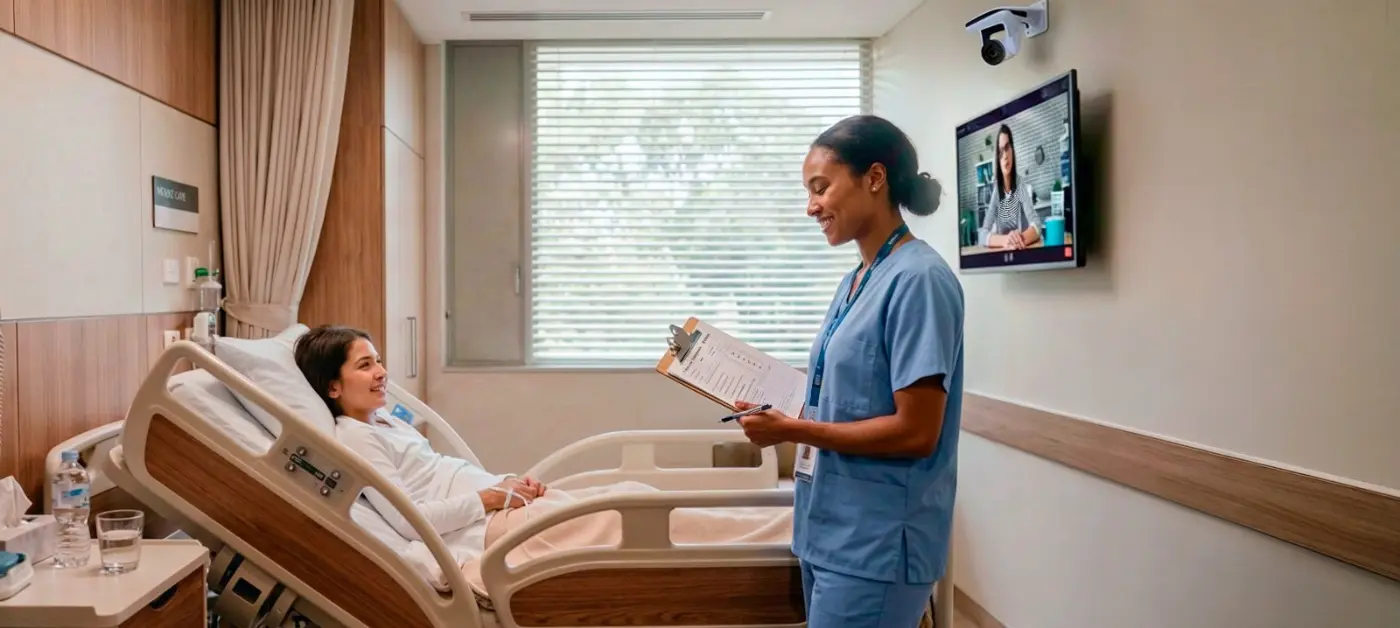
Healthcare is moving toward more connected, real-time models of care. Virtual nursing, remote monitoring, and AI-assisted workflows all depend on reliable and secure infrastructure.
These systems must be designed with resilience in mind. They need to function consistently across different care settings, support multiple users, and maintain performance under pressure.
Organizations that invest in solutions built for these environments are better positioned to scale. They can expand services, improve care coordination, and adapt to changing patient needs without introducing unnecessary risk.
Behind the scenes, strong cybersecurity practices make this possible.
The Strategic Advantage of Getting It Right
Cybersecurity is often viewed as a defensive measure. In reality, it is a strategic advantage.
Organizations with secure, stable systems can adopt new technologies faster. They can integrate new tools with greater confidence. They can maintain continuity even in the face of external threats.
This creates a foundation for long-term growth.
For partners working within healthcare environments, including those supporting equipment, infrastructure, and virtual care delivery, this shift is equally important. The ability to deploy technology that is secure, reliable, and easy to manage is becoming a key differentiator.
It is no longer enough to provide functionality alone. The systems must hold up under real-world conditions.
Looking Ahead
Healthcare IT investment is entering a new phase. Innovation is still critical, but resilience is becoming just as important.
Cybersecurity sits at the center of this evolution. It connects technology decisions to patient safety, operational performance, and financial outcomes.
Organizations that treat cybersecurity as a core layer of their investment strategy will be better equipped to navigate what comes next. They will build systems that support care teams, protect patients, and sustain long-term growth.
Sources
- American Hospital Association – Cybersecurity and Risk Advisory resources
- IBM Security – Cost of a Data Breach Report
- U.S. Department of Health and Human Services – Health Industry Cybersecurity Practices (HICP)
- Cybersecurity and Infrastructure Security Agency – Healthcare Sector Cybersecurity Guidance
Author



Invest with GHC for a better future.
At GHC, our investment strategy focuses on achieving the full potential of promising assets. We offer robust opportunities for our investors by nurturing businesses to reach their peak performance, emphasizing long-term growth over short-term gains. This approach secures stable growth and strong returns, creating lasting value for our investors and the communities we serve.
