
Why Lifecycle IT Management Is the Hidden Engine of Healthcare Efficiency


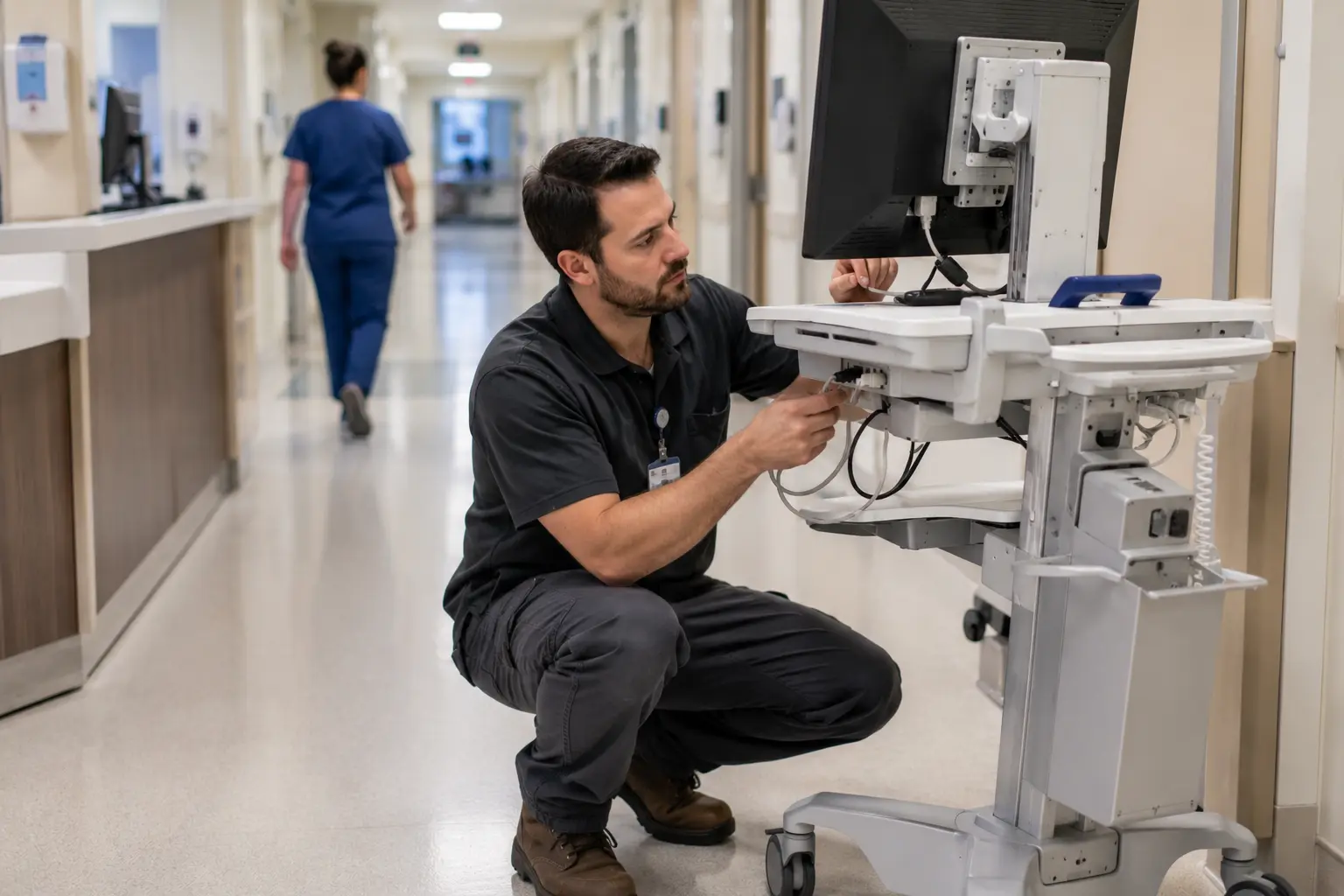
Healthcare organizations are under constant pressure to do more with less. Staffing shortages, rising costs, aging infrastructure, and increasing patient demand are forcing systems to rethink how they operate. While clinical workflows and staffing models often receive the most attention, there is another factor quietly driving performance across hospitals and health systems: lifecycle IT management.
Lifecycle IT management refers to the structured oversight of medical and IT equipment from procurement through deployment, maintenance, and eventual replacement. When done well, it reduces downtime, extends asset life, improves clinician productivity, and strengthens financial performance. When overlooked, it creates inefficiencies that ripple across the entire organization.
What Is Lifecycle IT Management in Healthcare?
Lifecycle IT management is the process of managing healthcare technology assets across their full lifespan. This includes:
- Strategic procurement and vendor selection
- Equipment deployment and integration
- Preventive maintenance and servicing
- Real-time monitoring and asset tracking
- End-of-life planning and replacement
In healthcare environments, this applies to a wide range of assets, including:
- Patient monitoring systems
- Imaging equipment
- Virtual care platforms
- Workstations and mobile carts
- Network infrastructure
The goal is to ensure that every piece of technology is functioning optimally, aligned with clinical needs, and delivering measurable value.
Why Lifecycle IT Management Matters More Than Ever
1. Reducing Downtime and Operational Disruptions
Equipment failure does not just create inconvenience, it disrupts care delivery. When critical systems go offline, clinicians are forced to rely on manual processes, which increases the risk of delays and errors.
Lifecycle IT management emphasizes preventive maintenance and proactive monitoring. This approach helps identify issues before they escalate, reducing unplanned downtime and ensuring continuity of care.
2. Supporting Clinical Efficiency and Staff Productivity
Healthcare workers are already stretched thin. Inefficient or unreliable technology adds unnecessary friction to their day.
When devices are properly maintained, updated, and integrated into workflows, clinicians can focus on patient care rather than troubleshooting equipment. For example, well-managed virtual care carts or bedside technology systems allow nurses and physicians to access information quickly and communicate more effectively.
Over time, these incremental improvements translate into meaningful gains in productivity and job satisfaction.
3. Extending Asset Lifespan and Controlling Costs
Healthcare organizations invest heavily in technology. However, without proper lifecycle management, assets are often underutilized or replaced prematurely.
A structured lifecycle strategy ensures that:
- Equipment is maintained according to manufacturer guidelines
- Performance data informs replacement decisions
- Capital expenditures are planned rather than reactive
This leads to lower total cost of ownership and better allocation of financial resources.
4. Improving Data Visibility and Decision-Making
One of the biggest challenges in healthcare IT is the lack of centralized visibility into assets. Many organizations struggle to answer basic questions such as:
- Where is this device located?
- Is it being used effectively?
- When does it need maintenance or replacement?
Lifecycle IT management systems provide real-time data on asset performance, utilization, and condition. This visibility allows leadership teams to make informed decisions, optimize inventory, and reduce waste.
5. Enhancing Patient Safety and Outcomes
Technology plays a direct role in patient care. Malfunctioning equipment or outdated systems can compromise safety.
By ensuring that devices are properly maintained and functioning as intended, lifecycle IT management reduces the risk of errors and supports better clinical outcomes. Reliable technology also enables faster response times, more accurate monitoring, and improved communication across care teams.
The Hidden Costs of Poor Lifecycle Management
When lifecycle IT management is not prioritized, inefficiencies compound quickly. Common challenges include:
- Frequent equipment failures and emergency repairs
- Overstocking or underutilization of assets
- Increased burden on clinical and IT staff
- Delayed patient care due to unavailable or malfunctioning devices
- Unplanned capital expenditures
These issues often go unnoticed at first, but over time, they erode both financial performance and care quality.
How Leading Healthcare Systems Are Approaching Lifecycle IT
Forward-thinking healthcare organizations are treating lifecycle IT management as a strategic function rather than a support task. Key elements of their approach include:
Centralized Asset Management
Creating a single source of truth for all technology assets across the organization.
Data-Driven Maintenance Strategies
Using analytics to shift from reactive to predictive maintenance models.
Integration with Clinical Workflows
Ensuring that technology supports, rather than complicates, how care is delivered.
Partnerships with Specialized Providers
Working with partners who can manage procurement, maintenance, and optimization at scale.
The Role of Lifecycle IT in Virtual Care and Innovation
As healthcare continues to adopt virtual care, remote monitoring, and AI-driven solutions, lifecycle IT management becomes even more critical.
These technologies rely on a combination of hardware, software, and connectivity. If any component fails, the entire system can break down.
For example, virtual nursing programs depend on:
- Reliable hardware such as cameras and carts
- Seamless software integration
- Consistent network performance
Lifecycle IT management ensures that these elements work together, enabling scalable and sustainable innovation.
Actionable Steps for Healthcare Leaders
Healthcare organizations looking to improve efficiency through lifecycle IT management can start with a few key actions:
- Conduct a comprehensive audit of all IT and clinical assets
- Implement a centralized asset tracking system
- Establish preventive maintenance schedules
- Use data to inform replacement and procurement decisions
- Evaluate potential partners for lifecycle support
These steps create a foundation for long-term operational improvement.
Conclusion
Lifecycle IT management may not always be visible, but its impact is felt across every aspect of healthcare operations. From reducing downtime to improving clinician workflows and controlling costs, it serves as a critical driver of efficiency.
As healthcare systems continue to evolve, those that invest in structured, data-driven lifecycle management will be better positioned to deliver high-quality care while maintaining financial sustainability.
Sources
- Healthcare Information and Management Systems Society (HIMSS)
- U.S. Department of Health and Human Services (HHS)
- American Hospital Association (AHA)
- GE HealthCare Insights: Asset Management in Healthcare
- Deloitte: Digital Transformation in Healthcare Report
- McKinsey & Company: Healthcare Operations and Technology Insights
Author



Invest with GHC for a better future.
At GHC, our investment strategy focuses on achieving the full potential of promising assets. We offer robust opportunities for our investors by nurturing businesses to reach their peak performance, emphasizing long-term growth over short-term gains. This approach secures stable growth and strong returns, creating lasting value for our investors and the communities we serve.
