
Why Honda’s Ohio Battery Move Signals Long-Term Confidence in U.S. Manufacturing


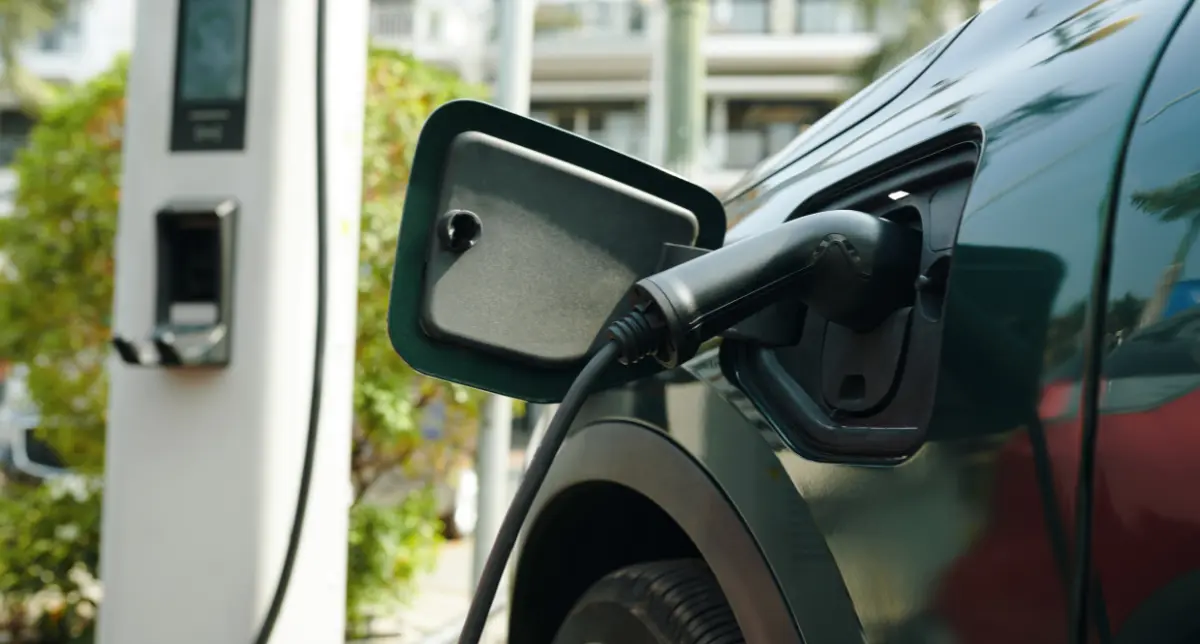
Honda’s decision to take full ownership of its Ohio electric vehicle battery project is not a retreat from electrification. It is a strategic recalibration that underscores Ohio’s growing role as a core EV manufacturing and innovation hub in the United States.
By acquiring LG Energy Solution’s stake in the Ohio battery plant for approximately $2.9 billion, Honda Motor Co. is consolidating control over a critical piece of its EV supply chain at a moment when the broader market is reassessing near-term growth expectations. The move reflects long-term thinking, not short-term hesitation.
Ohio’s expanding role in Honda’s EV strategy
The acquisition complements Honda’s previously announced $1 billion investment in upgrades at its Marysville facilities, including advanced manufacturing technologies such as large-scale “giga press” systems. Together, these investments position Ohio as Honda’s central EV production and innovation market in the U.S.
Rather than dispersing EV manufacturing across multiple regions, Honda is reinforcing a tightly integrated Midwestern footprint. This approach allows the company to better align battery production with vehicle assembly, reduce logistics complexity, and build a specialized workforce around a single, scalable ecosystem.
For Ohio, this signals something larger than a single transaction. It reinforces the state’s role as a long-term manufacturing partner for global OEMs navigating the next phase of industrial transformation.
A broader shift toward vertically integrated EV hubs
Honda’s move mirrors a broader trend across advanced manufacturing: the concentration of production into fewer, more vertically integrated regional hubs. As EV supply chains mature, manufacturers are prioritizing tighter coordination between components, labor, infrastructure, and energy.
This model offers several advantages:
- Greater control over critical inputs like batteries.
- Faster iteration between design, production, and deployment.
- Improved resilience amid demand volatility and policy shifts.
Ohio’s existing strengths in automotive manufacturing, logistics, workforce development, and energy infrastructure make it well suited for this kind of consolidation. The state is not chasing speculative growth. It is anchoring durable, long-cycle industrial investment.
Not a contraction, but a strategic pivot
It would be easy to misread this acquisition as a signal that EV momentum is slowing. In reality, Honda is adjusting its strategy to better control outcomes in an uneven global market.
By bringing battery assets in-house, Honda gains flexibility. It can align production timelines with dedicated EV models, manage costs more effectively, and insulate itself from supplier disruptions. Even as EV adoption experiences short-term plateaus in certain markets, Honda is clearly preparing for the long arc of electrification.
This distinction matters. Strategic pivots preserve optionality. Tactical exits eliminate it. Honda’s actions fall squarely in the former category.
What this means for Ohio manufacturing
Ohio’s manufacturing economy has always been defined by its ability to adapt. From internal combustion engines to advanced materials and now electrification, the state has consistently served as a proving ground for industrial evolution.
Honda’s increased commitment reinforces three key realities:
- Ohio remains competitive for capital-intensive, advanced manufacturing.
- Long-term EV strategies are being built around stable, skilled regions, not short-term incentives.
- Manufacturing transformation is happening through recalibration, not retreat.
For investors, operators, and policymakers, this move offers a clear signal. The future of EV manufacturing in the U.S. will be shaped by regions that can support integrated production at scale. Ohio continues to be one of them.
Why Honda’s Ohio Battery Move Signals Long-Term Confidence in U.S. Manufacturing
Honda’s decision to take full ownership of its Ohio EV battery project isn’t a retreat from electrification—it’s a strategic recalibration.
By acquiring LG Energy Solution’s stake in the Ohio battery plant for ~$2.9B, Honda is consolidating control over a critical part of its EV supply chain at a time when the market is reassessing near-term EV growth. That’s long-term thinking, not hesitation.
Combined with Honda’s $1B investment in its Marysville facilities—including advanced manufacturing technologies like large-scale giga presses—Ohio is clearly emerging as Honda’s central EV production and innovation hub in the U.S.
Rather than dispersing EV manufacturing, Honda is reinforcing a tightly integrated Midwestern footprint. The advantages are clear:
• Better alignment between battery production and vehicle assembly
• Reduced logistics and supply-chain risk
• A specialized, scalable workforce built around one ecosystem
This mirrors a broader shift in advanced manufacturing: fewer, more vertically integrated regional hubs where components, labor, energy, and infrastructure converge.
Ohio’s strengths—automotive heritage, logistics, workforce depth, and energy infrastructure—make it well suited for this next phase of EV manufacturing. This isn’t speculative growth. It’s durable, long-cycle industrial investment.
The key takeaway:
This move isn’t a contraction. It’s a strategic pivot that preserves flexibility and control as EV adoption unfolds unevenly across markets.
For investors, operators, and policymakers, the signal is clear: the future of U.S. EV manufacturing will be built in regions that can support integrated production at scale—and Ohio continues to be one of them.
How it relates to cooper:
Why Honda’s Ohio Battery Move Signals Long-Term Confidence in U.S. Manufacturing and the Copper Supply Chain
Honda’s decision to take full ownership of its Ohio EV battery project isn’t a retreat from electrification. It’s a strategic recalibration—and a strong signal about where the EV supply chain is headed.
By acquiring LG Energy Solution’s stake in the Ohio battery plant for ~$2.9B, Honda is consolidating control over one of the most copper-intensive parts of the EV value chain at a time when near-term EV demand is uneven. That’s long-term thinking, not hesitation.
Paired with Honda’s $1B investment in its Marysville facilities, including advanced manufacturing technologies like large-scale giga presses, Ohio is becoming Honda’s central EV manufacturing and innovation hub in the U.S.
From a supply chain perspective, this matters because batteries, power electronics, and EV platforms dramatically increase copper intensity:
• EVs use ~3–4x more copper than internal combustion vehicles
• Battery plants require massive copper infrastructure for busbars, cabling, and power distribution
• Grid upgrades and on-site substations further amplify copper demand
By vertically integrating battery production near vehicle assembly, Honda reduces logistics complexity, shortens lead times, and gains tighter control over critical materials like copper at a moment when global supply constraints, permitting delays, and energy transition demand are tightening markets.
This move also reflects a broader manufacturing shift toward regionalized, vertically integrated EV hubs:
• Closer coordination between battery, vehicle, and power systems
• Faster iteration between design and production
• Greater resilience amid commodity volatility and policy uncertainty
Ohio’s advantages (automotive expertise, logistics infrastructure, skilled labor, and access to power) make it well positioned for this model. Importantly, it also places Ohio closer to upstream electrical and copper-dependent manufacturing, from power distribution equipment to advanced materials.
The key takeaway:
This isn’t an EV slowdown. It’s a strategic pivot toward control, resilience, and long-cycle investment - exactly the kind of move that supports sustained copper demand across manufacturing, energy, and infrastructure.
For suppliers, utilities, and manufacturers, the signal is clear: electrification isn’t retreating, it’s concentrating. And regions that can support integrated production at scale will drive the next decade of copper-intensive growth.
Quick Answers
Why did Honda buy out LG Energy’s Ohio battery plant assets?
Honda acquired full ownership to gain tighter control over battery supply, align production with its EV models, and strengthen its long-term manufacturing footprint in Ohio.
Is Honda pulling back from electric vehicles?
No. The move reflects a strategic pivot toward vertical integration, not a retreat from EV development.
Why is Ohio important to Honda’s EV strategy?
Ohio offers established automotive infrastructure, a skilled workforce, and the ability to support integrated EV manufacturing at scale.
Author


Invest with GHC for a better future.
At GHC, our investment strategy focuses on achieving the full potential of promising assets. We offer robust opportunities for our investors by nurturing businesses to reach their peak performance, emphasizing long-term growth over short-term gains. This approach secures stable growth and strong returns, creating lasting value for our investors and the communities we serve.
